Dental Crowns Los Angeles CA for Restoring Bite Strength
A strong bite is easy to take for granted until it starts to fail. Patients rarely walk into a dental office saying, “My bite strength feels compromised.” What they do say is more revealing. They mention that steak has become hard to chew on one side. A back tooth feels “tired” by the end of the day. Something sharp cracked off while eating toast. Cold water sends a jolt through a molar that already had a large filling. Those details matter, because bite strength is not only about force. It is about how the tooth structure absorbs pressure, how well the upper and lower teeth meet, and whether a weakened tooth can keep doing its job without splitting further.
That is where crowns become important. In many cases, a dental crown is not a cosmetic extra or a last resort. It is the practical, durable way to restore a tooth that has lost too much structure to function safely on its own. For patients searching for Dental Crowns Los Angeles CA, the real question is often broader than appearance. They want to know whether they will be able to chew comfortably again, whether the repair will hold up, and whether the restored tooth will feel natural in daily life.
Crowns can do all of that when they are chosen well, designed properly, and placed with care.
Why bite strength matters more than most patients realize
Every time you chew, your teeth handle significant force. Molars do the heaviest work, but premolars and even front teeth play a role depending on what you eat and how your bite is aligned. A healthy tooth has enamel, dentin, and internal support that work together like a well-built structure. Once a large cavity, fracture, root canal, or old filling removes too much of that support, the tooth may still be present, but it is no longer truly strong.
That distinction explains why a tooth can feel “mostly fine” until it suddenly does not. A patient may chew on a weakened molar for months with only occasional sensitivity. Then one day a cusp breaks off. In other situations, the damage is slower and more subtle. The tooth begins flexing under pressure. Tiny cracks deepen. The surrounding gum gets irritated because food traps more easily. The person compensates by chewing on the opposite side, which can create muscle fatigue or aggravate clenching.
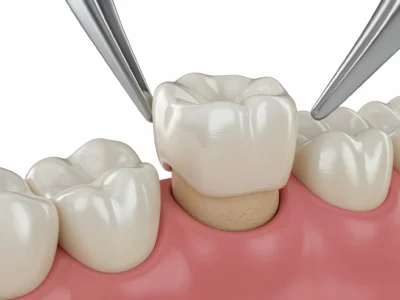
Restoring bite strength means restoring structural integrity, not simply covering a flaw. A crown is often the best option because it encases and reinforces the visible portion of the tooth above the gumline, helping the tooth withstand daily function again.
When a filling is no longer enough
Many patients assume that if a tooth can be repaired, a filling should always be the first choice. Fillings are excellent when the remaining tooth structure is still substantial. They are conservative, effective, and often the right treatment. But there is a threshold where adding more filling material solves the cavity while weakening the tooth.
A simple way to think about it is this. Small to moderate damage can often be patched. Large damage changes the whole engineering of the tooth.
This happens often with back teeth that have old silver or composite fillings that have been replaced more than once over the years. Each replacement can require the dentist to remove a little more compromised structure. Eventually, what remains are thin walls of tooth that are vulnerable under chewing pressure. At that stage, placing another large filling may look less invasive in the short term, but it can increase the chance of a crack or fracture later.
Root canal treatment is another common turning point. Once a tooth has had the nerve removed, it may remain functional for years, but it is usually more brittle and often missing significant structure from decay or access preparation. Posterior teeth that have undergone root canal therapy commonly need crowns because they must still handle strong chewing forces.
In real practice, the best treatment decision comes down to what is left of the tooth, where that tooth sits in the mouth, the patient’s bite pattern, whether they grind, and what kind of longevity they expect.
How a crown restores function
A well-made crown acts like a custom protective shell, but that description only captures part of what it does. Its job is not just to cover a damaged tooth. It redistributes force, rebuilds missing contours, protects weakened cusps, and allows the dentist to refine the way the tooth contacts its opposite partner when you bite.
That last point is critical. A crown that is technically attractive but slightly high in the bite can create days or weeks of discomfort, jaw soreness, or sensitivity. A crown that is too flat may not chew efficiently. Restoring bite strength is not simply about hardness of material. It is also about anatomy and balance.
In a well-executed case, the crown should let the patient chew without thinking about the tooth. That usually means the shape has been adjusted carefully, the margins fit precisely, and the material suits the location. Front teeth and back teeth do not have the same demands. A molar crown in a patient who clenches at night faces a different level of stress than a lateral incisor crown placed for cosmetic rebuilding after trauma.
Materials matter, but material alone does not decide success
Patients often arrive with one specific question: “Which crown material is strongest?” It is a fair question, but the answer is less straightforward than many online summaries suggest.
Porcelain and ceramic crowns can look beautiful and natural. Zirconia crowns are known for strength and have become a common option, especially in posterior teeth. Porcelain fused to metal crowns still have uses in certain clinical situations, though they are less popular than they once were. Gold and other metal-based restorations remain excellent from a functional standpoint, particularly for some back teeth, even if many patients prefer tooth-colored options.
The right choice depends on several factors. The amount of available space between the upper and lower teeth matters. So does how visible the tooth is when speaking or smiling. A person with heavy grinding habits may benefit from a material choice and design strategy very different from someone with a gentler bite. In some cases, preserving more natural tooth structure is the priority, which can affect the preparation style and material recommendation.
In offices providing Dental Crowns Los Angeles CA, Dental Crowns Los Angeles CA material selection is often shaped by both clinical realities and patient expectations. Los Angeles patients tend to be highly appearance-conscious, which is understandable, but function should lead the decision. The best crown is the one that looks natural, fits well, and survives the forces placed on it year after year.
The evaluation before a crown is where many good outcomes begin
The crown appointment itself tends to get the attention, but the quality of the diagnosis usually determines the result. Before recommending a crown, a careful dentist is evaluating more than the obvious broken area.
They are looking at the depth of old restorations, the presence of cracks, gum health, spacing, bite wear, and whether the tooth is vital or already root canal treated. They are checking whether pain comes from the tooth in question or from a neighboring tooth, a sinus issue, clenching, or even referred discomfort from the jaw muscles. They are also considering whether enough healthy tooth remains above the gumline to support a predictable restoration.
This matters because not every compromised tooth is a good crown candidate. If the fracture extends too far below the gumline, if decay has undermined the root, or if periodontal support is poor, another path may be more realistic. Patients appreciate honesty here. A crown is a strong restoration, but it cannot rescue every tooth.
What the process usually feels like
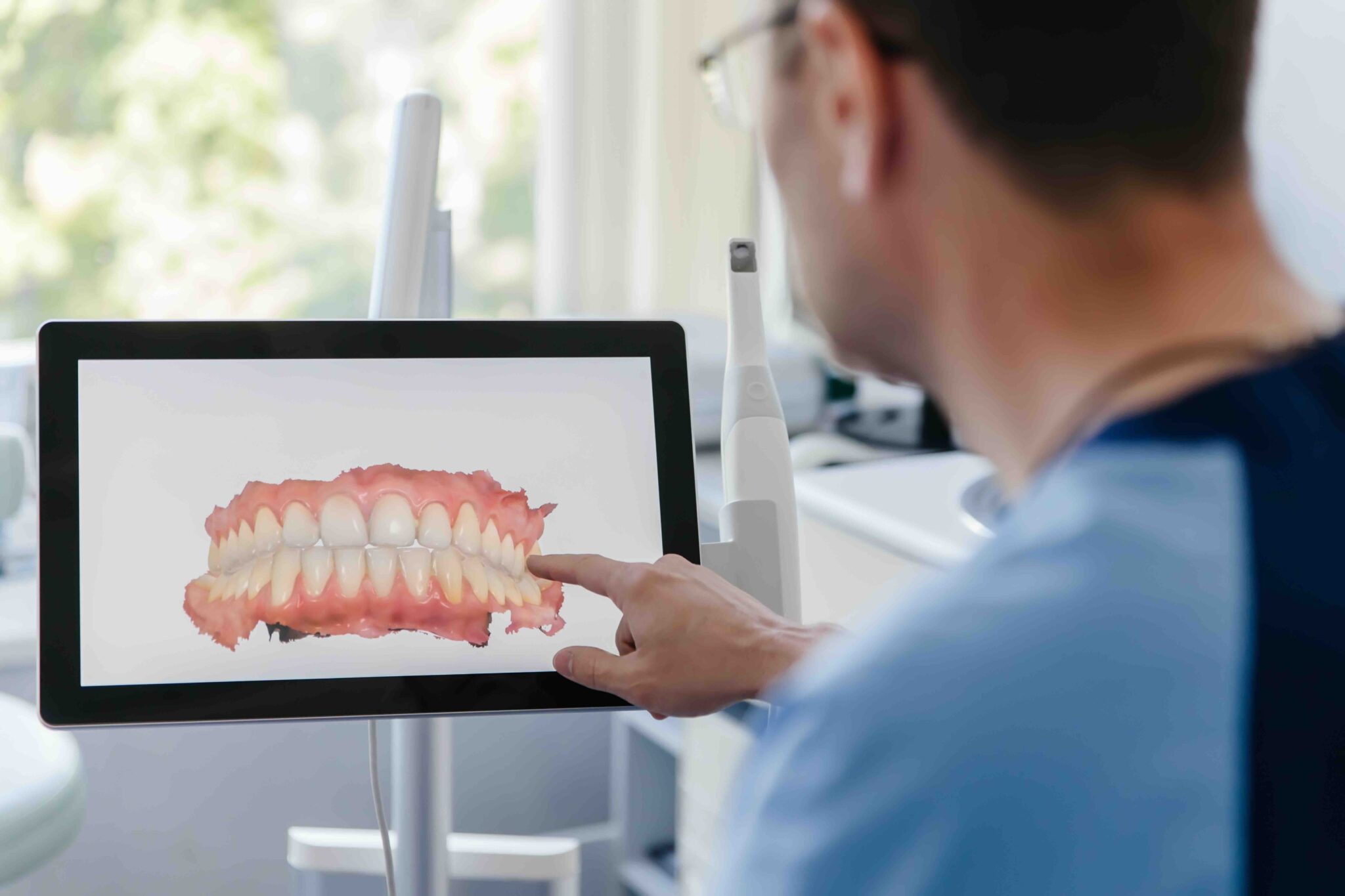
Most crown treatment follows a familiar sequence, though digital technology has changed the pace in many practices. The damaged tooth is shaped to create room for the crown and to establish a stable form. Records are then taken, either with traditional impressions or intraoral scanning. A temporary crown is often placed while the final crown is being fabricated, unless the office offers same-day systems suitable for that case.
The temporary phase tells both dentist and patient a lot. If the bite feels off, if the tooth remains unusually sensitive, or if the shape traps food, those clues can help refine the final restoration. Patients sometimes see the temporary as a short-term inconvenience, but it can function like a rehearsal. It reveals how the tooth responds and how the bite behaves before the permanent crown is cemented.
At the delivery appointment, fit, contacts, shade, and bite are checked. This is not a detail to rush. A crown can look perfect in the hand and still need precise adjustment in the mouth. Skilled dentists usually take their time here, especially on molars, where even a slight discrepancy can feel significant once the patient starts chewing normally.
Restoring bite strength after a cracked tooth
Cracked teeth are some of the trickiest cases in restorative dentistry because symptoms can be inconsistent. A patient may feel a sharp zing when releasing pressure after chewing, but only on certain foods and not at every meal. The crack may not show clearly on an X-ray. Sometimes the tooth has no visible chunk missing at all. The structure simply flexes under load in a way that triggers pain.
Crowns are often the most effective treatment for these cases because they bind the remaining tooth together and reduce the independent movement of weakened cusps. That mechanical support can relieve symptoms and reduce the risk of a catastrophic split. Timing matters, though. If a crack reaches the nerve and inflammation becomes irreversible, root canal treatment may also be needed. If the crack extends too far into the root, prognosis drops significantly.
One pattern seen often is the patient who waits because the pain comes and goes. By the time they are ready to act, the tooth has progressed from a manageable crack to a more severe fracture. Early treatment can make the difference between a crown and an extraction.
Crowns after root canal treatment
Few topics create more confusion than the question of whether every root canal tooth needs a crown. The answer is not always, but many do, especially back teeth.
Front teeth that have had root canal treatment and still retain most of their natural structure may sometimes be restored differently. Molars and premolars are another story. They absorb heavy chewing force, and a root canal alone does not rebuild the missing structure. If the tooth already had a large filling or extensive decay, a crown is often the restoration that gives it a realistic chance at long-term service.
A case many dentists have seen more than once goes like this: the root canal resolves the pain, the patient delays the crown because the tooth no longer hurts, and a few months later the tooth fractures while eating. Pain relief can create false confidence. The biology may be quieter, but the mechanics are still compromised.
The role of bite alignment and nighttime grinding
A crown can be beautifully made and still fail early if the surrounding bite environment is hostile. Bruxism, clenching, and uneven bite forces are major reasons restorations chip, loosen, or create recurrent symptoms.
This is especially relevant in urban settings where stress-related clenching is common. In Los Angeles, it is not unusual to see patients with flattened chewing surfaces, scalloped tongue edges, sore masseter muscles, and multiple hairline fractures in posterior teeth. A crown can restore one damaged tooth, but if the grinding pattern is left unaddressed, the same forces may damage the new crown or a different tooth next.
That is why many dentists recommend a night guard after crown treatment in grinders. It is not an upsell when it is prescribed thoughtfully. It is a practical protective measure. For the right patient, it can extend the life of both natural teeth and restorations significantly.
What patients often notice after the crown is placed
When a crown is done well, the most common reaction is relief. Patients stop favoring one side. They eat more normally. The low-grade anxiety around biting into crusty bread or chewing nuts tends to fade.
There can still be a brief adjustment period. Mild temperature sensitivity or gum tenderness for a short time is not unusual, especially if the tooth was already inflamed or the margin extends near the gumline. What should improve steadily is chewing comfort. If a patient feels a sharp spot when biting, pressure on a specific cusp, or persistent awareness that the tooth “hits first,” the bite should be reevaluated.
The best crown is often the Dental Crowns Los Angeles CA one the patient forgets about. That may sound simple, but it reflects careful occlusion, good tissue response, and a restoration that matches function rather than just shape.
Longevity, maintenance, and realistic expectations
Crowns are durable, but they are not permanent in the absolute sense. In clinical practice, longevity varies widely. Some crowns last well over a decade, while others need replacement sooner because of new decay at the margin, fracture, cement failure, gum recession, or changes in the bite.
Home care matters more than many patients expect. A crown cannot decay like a natural enamel surface, but the tooth underneath can still develop recurrent decay where the crown meets the tooth. Plaque control at the gumline is essential. Flossing is not optional just because the tooth now has a crown. Neither are regular exams and X-rays, which help catch margin problems before they become major.
Diet and habits influence lifespan too. Chewing ice, opening packages with teeth, and untreated grinding all shorten the life of restorations. So does postponing care when a crown feels loose or starts trapping food. Small issues tend to become expensive when ignored.
Choosing care thoughtfully in Los Angeles
When patients search for Dental Crowns Los Angeles CA, they are often comparing convenience, cost, speed, and cosmetic promises. Those are understandable concerns, but crown dentistry rewards careful decision-making more than flashy marketing.
A good consultation should leave you with a clear understanding of why the crown is needed, what alternatives exist, what material is being recommended, and what the dentist sees as the long-term risks and benefits. If the explanation is vague, or if every tooth somehow needs the most expensive version without a practical rationale, it is worth asking more questions.
A trustworthy clinician usually explains the trade-offs plainly. Same-day crowns can be excellent in the right hands and the right case, but not every tooth is ideal for that workflow. The most esthetic material may not be the strongest choice for a heavy grinder. Saving a tooth may still carry a guarded prognosis if the crack pattern is extensive. Good dentistry is rarely about selling certainty. It is about applying sound judgment.
When a crown is not the best answer
It is also worth saying clearly that crowns are not magic. If the tooth has severe periodontal bone loss, a vertical root fracture, or deep structural compromise below the gumline, placing a crown may not deliver meaningful longevity. In those cases, options such as extraction and implant replacement, a bridge, or a removable solution may need to be discussed.
This does not mean crowns fail as a concept. It means the foundation has to be worthy of the restoration. Skilled treatment planning includes knowing when not to proceed.
The practical value of getting chewing function back
Patients often focus first on pain relief or appearance, but restoring bite strength changes day-to-day life in quieter ways. Meals become easier. The jaw works more evenly. The patient stops compensating in ways that strain other teeth. Speech can feel more natural if a damaged tooth had changed how the tongue contacts the teeth. Even posture in the jaw can improve when a person no longer guards a sore side constantly.
These are not dramatic transformations in the way cosmetic advertisements portray dentistry, yet they matter profoundly. Being able to bite into food without hesitation is basic quality of life. When a tooth has become weak, unpredictable, or painful under pressure, a crown is often the restoration that returns that sense of reliability.
For the right tooth, in the right hands, a crown does more than cover damage. It rebuilds confidence in chewing, protects what remains of the natural tooth, and restores function where simple repair no longer suffices. That is the real value behind Dental Crowns Los Angeles CA, not just a better-looking tooth, but a stronger, more dependable bite.
Simple Dental Vermont
Address: 8914 S Vermont Ave, Los Angeles, CA 90044
Phone number: +13239493000
FAQ About Dental Crowns Los Angeles CA
How much do crowns cost per tooth?
In the United States, a single dental crown typically costs between $800 and $2,500 per tooth without insurance. The ultimate out-of-pocket price depends heavily on the crown material, the location of the tooth, and whether you have dental insurance coverage.
What is the downside of crowns on teeth?
The primary downside of a dental crown is that the procedure permanently removes natural tooth enamel to shape the tooth for the cap.
Why do dentists push for crowns?
Dentists recommend crowns because a large filling cannot provide enough strength when a tooth loses a major portion of its structure or faces heavy chewing pressure.