The Truth About Durable and Natural-Looking Dental Crowns

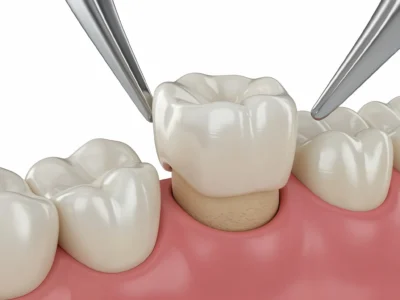
Dental crowns sit at an awkward crossroads between health care and appearance. Most people start looking into them because something has gone wrong, a cracked tooth, a large failing filling, a root canal, heavy wear, or a back tooth that can no longer handle normal chewing. Then the cosmetic question arrives almost immediately. Will it look fake? Will it last? Can one crown do both?
That tension shapes nearly every good conversation about Dental Crowns. Patients often assume they must choose between strength and appearance, as if a durable crown has to look opaque and bulky, while a beautiful crown must be delicate. Real dentistry is more nuanced than that. A crown can be remarkably lifelike and still hold up for years, but only when the material, bite forces, tooth preparation, and lab work all match the situation.
The truth is that crowns fail, and they also succeed, for reasons that go far beyond the material printed on the estimate. A well-made crown on the wrong tooth, in the wrong bite, or on a badly compromised foundation may disappoint no matter how attractive it looks on day one. On the other hand, a carefully planned crown, even in a high-stress mouth, can quietly do its job for a decade or much longer without drawing attention to itself.
What a crown is really doing
A crown is a full-coverage restoration that fits over a prepared tooth, replacing the outer form and protecting what remains underneath. That sounds simple, but the job description is demanding. A crown must seal margins tightly enough to reduce the chance of recurrent decay, distribute chewing forces without cracking, fit the bite comfortably, support gum health, and blend with neighboring teeth in shape, color, texture, and light reflection.
The last point matters more than many expect. Teeth are not flat white blocks. Natural enamel is translucent at the edge, warmer toward the gumline, and full of tiny irregularities that keep it from looking artificial. The best crowns mimic those features subtly. A crown that is too smooth, too bright, too opaque, or too uniform can stand out from across the room, even if the shade technically matches.
Durability is just Simple Dental Vermont Dental Crowns as layered. People sometimes ask, “What is the strongest crown?” but strength in dentistry is not one-dimensional. Hardness, fracture resistance, wear behavior against the opposing teeth, bonding potential, thickness requirements, and long-term stability all matter. A material can be strong in a laboratory test and still be a poor clinical choice if it requires too much tooth reduction or creates an unnatural look in the smile zone.
The materials conversation is important, but it is not the whole story
When people compare crowns, they usually hear about porcelain, zirconia, porcelain-fused-to-metal, gold, or ceramic. Those categories are useful, but they can oversimplify what dentists and labs actually work with.
All-ceramic crowns are often chosen for front teeth and visible areas because they can reproduce depth and translucency beautifully. Some of them are highly aesthetic but more technique-sensitive. They may require careful case selection, especially for patients who grind, clench, or have edge-to-edge bites. When they are used well, the result can be excellent, almost invisible in conversation or photographs.
Zirconia changed the crown conversation over the last decade because it brought serious strength to tooth-colored dentistry. Early zirconia crowns had a reputation for looking somewhat opaque, especially in the front of the mouth. Newer formulations have improved, and many cases now look much more natural than older versions. Even so, there is still a trade-off. The most translucent zirconia is generally not the strongest version, and the strongest version is not always the most lifelike under bright light. A skilled dentist and lab can navigate that compromise, but the compromise still exists.
Porcelain-fused-to-metal crowns, often called PFM crowns, remain serviceable in many mouths. They have a metal substructure covered by tooth-colored porcelain. Their history is long, and when they are done well, they can last very well. The challenge is cosmetic. Gum recession may eventually reveal a dark margin, and the underlying metal can limit light transmission, making the tooth look less natural than modern ceramics. In back teeth or in cases where space is limited, they may still make sense. In the front, they are less often the first choice than they once were.
Gold crowns deserve more respect than they usually get in casual conversations. They are not popular for visible areas, for obvious reasons, but functionally they can be exceptional. They are kind to opposing teeth, durable, and often require less aggressive shaping of the natural tooth. Dentists who have practiced long enough can point to gold restorations that have performed quietly for decades. The issue is rarely performance. It is appearance.
Natural-looking crowns depend on details most patients never see
A crown is not natural-looking simply because it is “white.” Shade is only one part of the visual story. Shape, contour, texture, surface gloss, line angles, and translucency often matter just as much.
A common mistake is making a crown too round and too perfect. Natural teeth have subtle asymmetry. They reflect light differently from the center to the edges. Their surface is not polished into featureless plastic. Anterior crowns, especially upper front crowns, can look artificial if the ceramist has no guidance beyond a basic shade tab. Photos, shade mapping, and communication between the office and the lab can make a striking difference.
This is where experience shows. Two crowns made from the same material can look completely different depending on who designed them and how much information the lab received. If the surrounding teeth have gray translucency near the edge, faint white halo effects, or a slightly warm body color, a one-note crown can miss the mark. The patient may not know why it looks wrong, only that it does.
Stump shade also matters. If the prepared tooth underneath is dark, perhaps from a root canal, a metal post, or old discoloration, the final crown can be affected. Some materials mask darkness better than others, but increased masking can reduce translucency. That is another real trade-off. A front tooth with significant discoloration may need a carefully chosen material and sometimes internal changes under the crown to keep the result from looking flat or chalky.
Durability starts before the crown is even made
People often think of a crown as a cap placed over a damaged tooth, and that image is not entirely wrong. But crowns do not rescue every tooth equally. The condition of the remaining tooth structure matters enormously.
A tooth with a small crack and solid walls is different from a tooth with a root canal, very little remaining structure, deep decay near the gumline, and years of heavy bite stress. Both may receive crowns, but their prognosis is not the same. The foundation matters more than the crown itself in many borderline cases.
Dentists pay close attention to ferrule, remaining tooth height, margin location, decay risk, and whether the tooth can be isolated and restored properly. If too little healthy tooth remains, the crown may be vulnerable to loosening, leakage, or root fracture. Patients are sometimes surprised when a dentist recommends crown lengthening, a build-up, or even extraction and implant planning rather than “just putting on a crown.” That recommendation is often about long-term realism, not upselling.
Bite also deserves more attention than it usually gets. A crown that looks perfect on the model can chip or fail if the patient clenches heavily at night or slides hard into it every time they chew. I have seen beautifully matched crowns crack because the material was blamed for a problem that was really about occlusion. I have also seen less glamorous-looking restorations last because the bite was managed thoughtfully and the patient wore a night guard consistently.
Front teeth and back teeth do not play by the same rules
The ideal crown for a front tooth is often not the ideal crown for a molar. That sounds obvious, but it is one of the most useful truths in this area.
Front teeth live in a visual spotlight. They catch direct light and sit in the center of facial expression. Small mismatches in translucency, length, or surface character are easy to notice. Because of that, aesthetic ceramics often get the edge in the front, particularly when the bite is favorable and the dentist has room to work conservatively.
Back teeth live under load. They absorb chewing force and, in many patients, the habit forces of grinding and clenching. Strength and functional design become more important there. A posterior crown still needs to look good, especially for premolars that show when smiling, but tiny visual compromises may be acceptable in exchange for better longevity.
That split is not absolute. Some patients have wide smiles that expose molars. Some grind hard enough that the front teeth are under more stress than average. Some need a single crown on one upper central incisor, one of the most demanding aesthetic tasks in dentistry. The point is that tooth position changes the decision, and blanket claims about “the best crown” tend to ignore that.
Why some crowns look bulky or fake
When patients complain that a crown feels thick or looks oversized, the problem is often not the crown material. It is commonly a matter of contour, reduction, or tissue management.
If the tooth was not reduced enough, the lab may be forced to make a crown that overbuilds the natural shape just to create adequate material thickness. That can leave the tooth looking puffy or feeling crowded. In other cases, the temporary crown may have shaped the gum poorly, or the final impression may not have captured the margin well enough. The result can be a crown that traps plaque, irritates the gum, or appears too long near the gumline.
Color problems also have patterns. A crown can be too white, too gray, too opaque, or too glossy. Natural teeth usually have a gradient. They are not refrigerator white from top to bottom. Matching a single front tooth to neighboring natural teeth is one of the hardest jobs in restorative dentistry, especially if the adjacent teeth are worn, stained, or irregular. That is why some offices schedule custom shading appointments with the lab for demanding cases. It may feel like extra fuss, but it often pays off.
The role of the temporary crown is bigger than many expect
Temporary crowns rarely get much respect from patients, but they provide useful information. A temporary can test the shape, length, bite, and comfort before the definitive crown is cemented. If speech feels strange, floss shreds, the gum stays irritated, or the bite feels high, those clues matter.
In aesthetic areas, temporaries can also serve as prototypes. A patient who feels a front tooth looks too square, too short, or too prominent can often make that clear while changes are still easy. Once the final crown is fabricated, major alterations are more limited.
That said, temporary materials are not final materials. They stain more easily, feel rougher, and are more likely to loosen. People sometimes panic because the temporary does not look exactly right. That concern is understandable, but it does not always predict the final result. The better question is whether the temporary is giving useful feedback about form and function.
What actually affects how long Dental Crowns last
A crown can last five years, fifteen years, or much longer. There is no honest universal promise. Longevity depends on a cluster of variables rather than one magic number.
The biggest drivers are usually these:
- how much healthy tooth structure remains under the crown
- the strength and suitability of the chosen material
- the fit at the margins and the quality of the cementation or bonding
- bite forces, especially grinding and clenching habits
- daily maintenance, including flossing, home care, and recall visits
That list sounds basic, but it reflects how crowns succeed or fail in real life. Recurrent decay at the margin is a common reason crowns need replacement. So are fractures of the tooth underneath, not just fractures of the crown itself. In other words, the crown may survive while the supporting tooth does not.
Patients sometimes assume a crown makes a tooth invincible. It does not. A crowned tooth can still decay where the restoration meets the natural tooth, and it can still develop gum problems if plaque accumulates around the edges. Root canal-treated teeth also deserve careful follow-up because they can become brittle over time, especially if they are heavily loaded.
Cemented versus bonded, and why that distinction matters
Not all crowns are retained the same way. Some are cemented in a more traditional sense, while others are bonded adhesively. The choice depends on the material, the design of the preparation, moisture control, and the clinical goal.
Bonding can increase retention and support for certain ceramic restorations, especially when tooth structure is limited. It is technique-sensitive, however. Isolation matters. Contamination matters. Material-specific protocols matter. A rushed or compromised bonding procedure can undermine a crown that otherwise looked excellent.
Traditional cements can work extremely well too, particularly with materials and preparations designed for them. The best approach is not the trendiest one, but the one that fits the case predictably.
Patients do not need to memorize bonding chemistry, but they should know that long-term success often depends on invisible procedural details. A crown is not just a product. It is a treatment process.
When “strongest” is the wrong goal
A crown that can survive high force is not necessarily the best crown for every person. Very hard materials can create concerns about wear on opposing teeth if the bite is not managed properly and the restoration is not finished well. A less aggressive material in a favorable bite may preserve more natural tooth and still provide years of service.
There is also the issue of repairability. Some crown problems can be polished or adjusted easily. Others are more all-or-nothing. A tiny chip in one type of restoration may be manageable. A crack in another may mean full replacement. Patients benefit when the treatment discussion covers these practical realities rather than only marketing labels.
This matters especially for younger patients. If someone in their thirties needs a crown, the conversation should include the likelihood that the restoration may need replacement at some point in life. Each replacement can remove more tooth structure. Preserving as much healthy tooth as possible at the first treatment often matters more than choosing the material Dental Crowns with the highest headline strength value.
Questions worth asking before you commit
Good crown decisions come from good case-specific questions, not generic reassurance. If you are evaluating treatment, a short conversation around a few practical points can clarify a lot.
- Why is a crown being recommended instead of a filling, onlay, or veneer?
- What material is best for this specific tooth, and why?
- Will the crown be matched to neighboring teeth with photos or custom shading if aesthetics are critical?
- How much natural tooth structure remains, and how does that affect prognosis?
- Do I need a night guard if I clench or grind?
Those questions often reveal whether the plan is individualized or routine. They also help set realistic expectations. If a dentist says a front crown on a dark, root canal-treated tooth may require some compromise to balance masking and translucency, that is usually a sign of honest planning. If the message is simply “it will look perfect and last forever,” caution is warranted.
The lab matters more than the brochure
Patients tend to focus on the office, but the dental laboratory plays a large role in the final outcome. Crowns are not all made with the same level of care. Digital scanning has improved consistency in many practices, and computer-aided design has brought precision, but artistry has not disappeared. It is still needed, especially for visible teeth.
A dentist who works regularly with a reliable lab, communicates clearly, and knows when to send photos or request custom characterization will often get better results than someone choosing the cheapest route for every case. This is not a glamorous point, but it is a practical one. If appearance matters deeply, ask how the office handles shade matching and whether more complex cases involve direct collaboration with the ceramist.
Living with a crown day to day
Most well-made crowns disappear into daily life after a short adjustment period. Chewing should feel normal. Floss should pass with some resistance but not shred. The gum should settle rather than stay chronically inflamed. Temperature sensitivity may linger briefly after placement in some cases, but persistent pain, pressure, or biting tenderness deserves reevaluation.
Care is straightforward and unremarkable, which is exactly the goal. Brush well, clean between the teeth, keep recall appointments, and protect the work if you grind. A night guard may feel like a nuisance, but replacing cracked crowns and fractured teeth is far more inconvenient.
One practical note often overlooked is that a crown can outlast the cement seal or the surrounding tooth conditions. That is why a crown that “looks fine” still needs periodic professional assessment. Tiny margin defects, early decay, and bite changes are easier to manage before symptoms escalate.
What the truth comes down to
Durable and natural-looking Dental Crowns are absolutely possible, but they are not commodities. They are the result of careful diagnosis, appropriate material choice, sound tooth preparation, precise fit, a well-managed bite, and aesthetic judgment that respects the surrounding teeth rather than trying to overpower them.
If there is one useful truth to hold onto, it is this: the best crown is not the strongest material or the prettiest catalog image. It is the restoration that fits the biology, function, and appearance of that exact tooth in that exact mouth. When those pieces line up, a crown should not feel like a compromise. It should feel like your tooth got a second chance, and took it well.
Simple Dental Vermont
Address: 8914 S Vermont Ave, Los Angeles, CA 90044
Phone number: +13239493000
FAQ About Dental Crowns
How much do crowns cost per tooth?
In the United States, a single dental crown typically costs between $800 and $2,500 per tooth without insurance. The ultimate out-of-pocket price depends heavily on the crown material, the location of the tooth, and whether you have dental insurance coverage.
What is the downside of crowns on teeth?
The primary downside of a dental crown is that the procedure permanently removes natural tooth enamel to shape the tooth for the cap.
Why do dentists push for crowns?
Dentists recommend crowns because a large filling cannot provide enough strength when a tooth loses a major portion of its structure or faces heavy chewing pressure.